A skill that stays with you for life.
Tax law changes. Knowing how a return is built—what to ask, what to verify, and where to look it up—doesn't expire. Use it in a tax career, a side business, or every April.
Online tax course · Start today
Compiling the 1040Tax Law 101 · Full course
Learn the decisions behind the return—not just where to enter the numbers. It's a skill that stays with you for life.
A client moved, started a side hustle, or shares custody of a child. Do you know what to ask next—and what the answer changes? Across 18 sections and a complete practice return, you'll go from the first taxpayer interview to the final review of a federal return.
For new and self-taught preparers, returning tax pros, offices training new hires—and anyone ready to finally understand taxes.

Why wait another season?
You can start anytime—which is exactly why it's so easy to keep waiting. Every season you put it off is another year of handing over paperwork and hoping someone else got it right. Understanding taxation pays off well beyond one return.
Tax law changes. Knowing how a return is built—what to ask, what to verify, and where to look it up—doesn't expire. Use it in a tax career, a side business, or every April.
Understand filing status, dependents, credits, and withholding well enough to ask the right questions about your household's return—and help the people who count on you.
A side hustle, a rental property, a retirement withdrawal, a move to another state—learn how each one shows up on a return before it shows up as a surprise.

How can I learn how to file taxes?
Most people who say “I need to learn how to file taxes” start by clicking through screens. Software will calculate whatever you give it. Learning to file well means knowing what to give it—and why. Here's the order that works:
Who's filing, what came in, what lowers it, which credits apply, and what was already paid.
The follow-up questions decide filing status, dependents, and credits before a single number is entered.
Check the return against the records, document your decisions, and know when to research or refer.
Compiling the 1040 teaches all three, in that order, and lets you rehearse them on a complete practice return.
The stakes
The worst time to find out what you don't know is when a client is waiting for your answer. Learn which details matter before someone is sitting across from you.

“My child lives with me” is the beginning of the interview, not the answer.
Where the child actually lived, who paid to maintain the home, and whether another parent can claim the child may affect filing status, credits, or both. Learn the follow-up questions before you select a filing status.
It won't notice a left-out payment—or the same income counted twice.
A side hustle might show up on a 1099, in a payment app, and in a bank statement. If you don't know how to compare those records, you could miss income—or count the same payment twice. Learn to trace the numbers from source documents through the schedules to Form 1040.
Know what qualifies and what records back it up.
A credit isn't available just because the software lets you enter it, and a receipt doesn't automatically make an expense deductible. Learn to check eligibility for the right tax year, ask for supporting records, and document your decision—especially when paid-preparer due diligence applies.
“I rented out my old house” is your cue to ask more—not guess through another screen.
“I drove for an app.” “I rented out my old house.” “I took money out of my IRA.” One sentence can introduce self-employment tax, depreciation, or a retirement distribution you need to review. Learn which situations you can handle, which need research, and when to refer the client rather than guess.
If a notice arrives months later, can you trace the number back to the source?
If an IRS notice arrives months later, can you explain where the number came from and show what supports it? Learn to review the return before it goes out, keep an organized file, and recognize when a notice calls for a response, a correction, or a referral.
Side-hustle income can affect self-employment tax and credit eligibility on the same return.
A move can add a state filing question before you're finished. Across 18 sections and a complete practice return, you'll connect the decisions that are easy to miss when you learn each topic on its own.
Learn it on a practice return before you have to explain it on a client's return.

Your instructor
Income Tax Strategist · HerijTaxes.com
You learn how returns really get done—not just how they look on paper.
What changes
From collecting documents
Instead of stopping at “Do you have your W-2s and 1099s?” you'll know how to follow up on a side hustle, a move, or a child who splits time between two homes—and what to verify before you enter a number.
From “that's what the software says”
When a client asks, “Why do I owe this year?” you'll trace income, adjustments, deductions, credits, and payments through the 1040 and explain what drove the result in plain language.
From hitting submit
Instead of treating a clean diagnostic as the finish line, you'll review the return against the records, document key decisions, and spot when an issue needs research or a referral.
Practice all three together—from the first client question to the final review of a complete practice return.
Learn the Full 1040 ProcessWhat you'll learn · 18 sections
Each section builds on the last, so by the time you reach self-employment or rentals, you already know how they ripple through the rest of the return.
Run the interview, gather and verify records.
Trace every number through Form 1040.
The one-sentence answers that change everything.
Know it's right before it goes out.

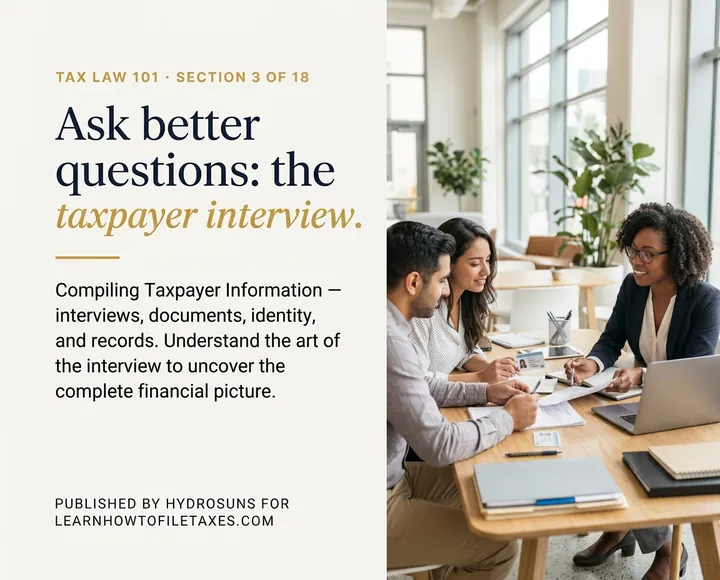


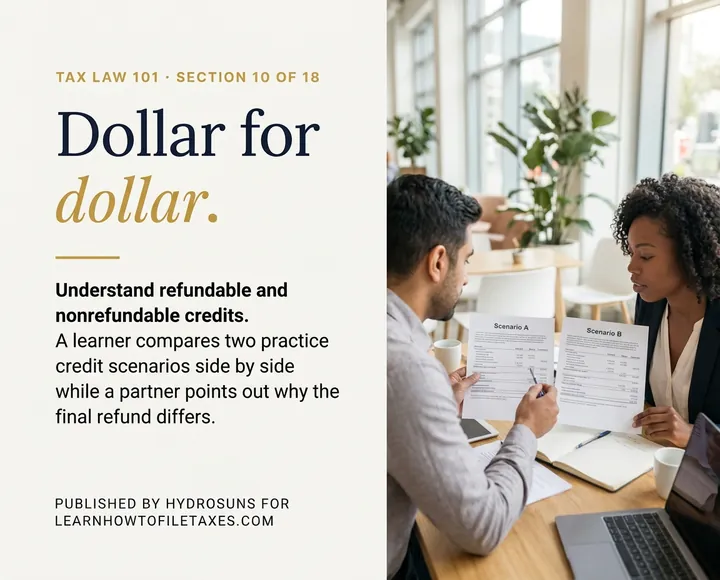
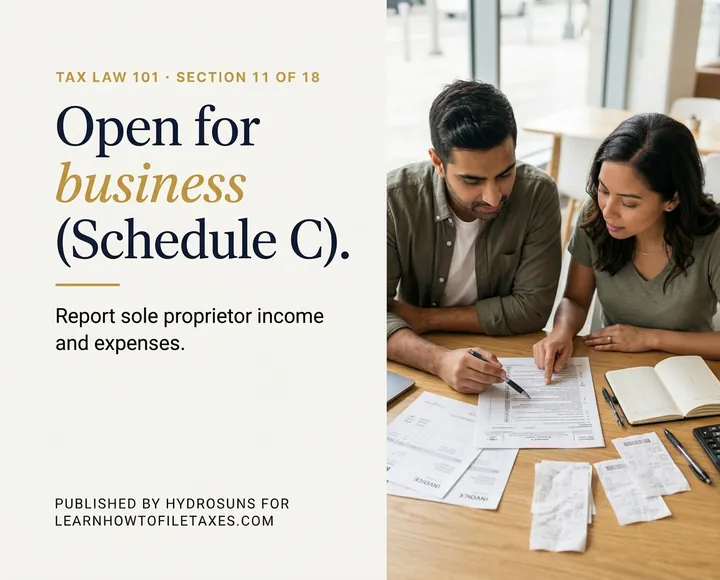
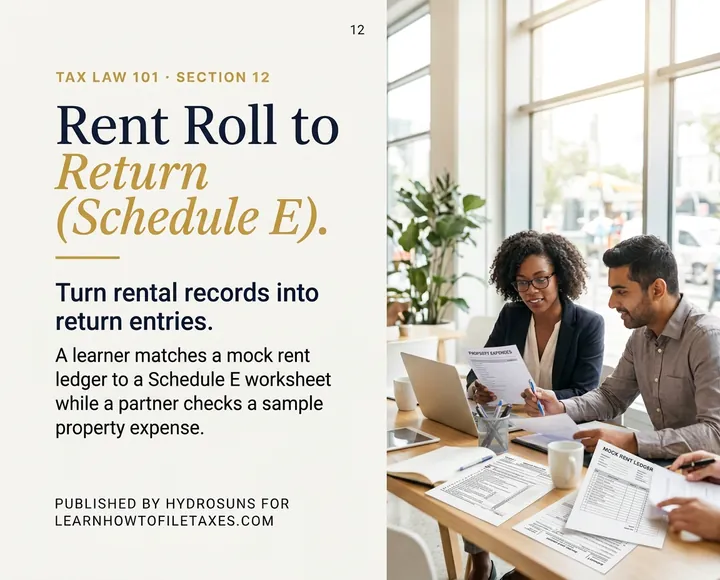




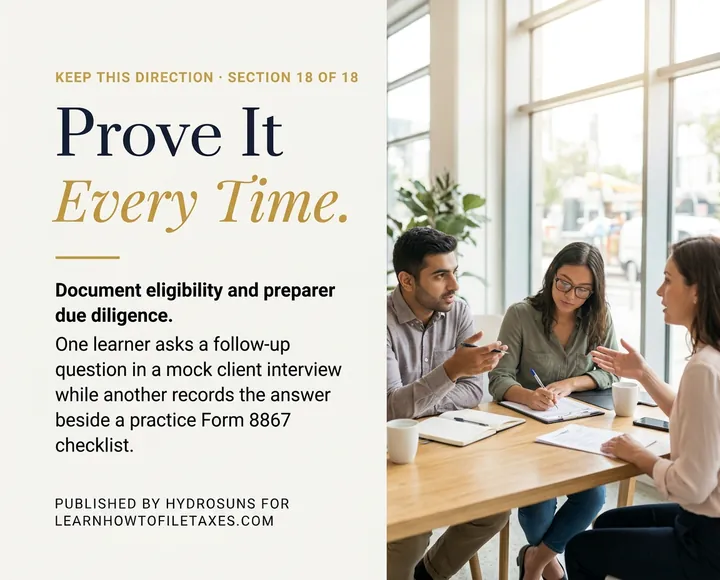
Work through a complete practice return so you can see how a fact uncovered in the interview changes what you enter, what you claim, and what you document.
How it works
Hybrid format
Recorded lessons are self-paced, so the only thing between you and this skill is clicking enroll. Designed as an 8-week path—move faster or slower to fit your life.

Watch, pause, and replay each section whenever it suits you—and come back to it during tax season.

Bring your questions to live sessions and work through cases with an instructor and other learners.
Makes sense when you know exactly what you need to brush up on.
Teaches how the topics work together—including the decisions you might not know to look for yet.
Questions
Not sure it fits you? Start here.
Start with how Form 1040 fits together—who is filing, what income came in, what lowers it, which credits apply, and what was already paid—then practice on realistic cases before working on a real return. Compiling the 1040 walks you through that order across 18 sections and finishes with a complete practice return.
Start with the taxpayer, not the software: learn the questions that decide filing status and dependents, then trace income, deductions, credits, and payments through the return. Compiling the 1040 begins with the preparer's role and a walkthrough of Form 1040, so you can start with no prior experience.
Compiling the 1040 is taught by Manevil Lewis of HerijTaxes.com, an Income Tax Strategist with 15 years of experience who still prepares returns today, so the lessons reflect how returns actually get done in a working practice.
Anytime. The recorded lessons are self-paced, so you can enroll today and begin right away. Live learning hours are offered alongside the lessons.
It's designed as an 8-week path, but because the lessons are self-paced you can move faster or slower to fit your schedule.
The course starts with the preparer's role and a walkthrough of Form 1040 before moving into more involved cases. You'll see how the return fits together before you tackle its individual pieces.
If you learned on the job or through software, use the course to strengthen the areas you may not handle every day—and revisit the reasons behind habits you've carried from one season to the next.
Yes. Give new staff a shared process for intake, documentation, review, and escalation before they work on live client files. Use it alongside your office's procedures and supervision.
The course teaches how a federal individual return is put together and reviewed, which helps you understand your own return. It's education, not personalized tax advice for your situation.
No. This is practical Form 1040 preparation taught in plain language, with case exercises that connect the rules to the return.
Stop delaying · Start today
You don't have to memorize every tax rule. You do need to know which facts matter, what to verify, and when to stop and look something up. That's what Compiling the 1040 gives you a chance to practice—with a 15-year Income Tax Strategist who still does this work today. Learn it once, and it stays with you for life.
Enroll in Compiling the 1040